

Corbin care kept family close during man’s 93-day hospital stay
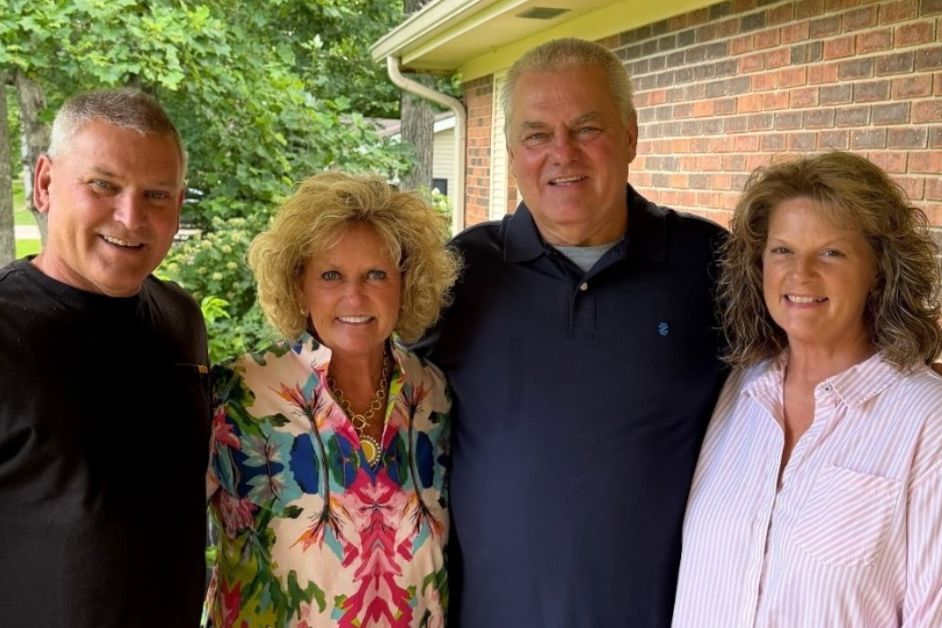
Paul Reynolds arrived at Baptist Health Corbin not knowing that within about 30 minutes he would be on a ventilator, or that the hospital would become the center of his family’s life for the next three months.
What he did know was that he wanted to stay in Corbin.
His sister, Nicky, remembers seeing a helicopter on the helipad and an ambulance outside the Emergency Department when they arrived.
“Paul said, ‘I am not getting on either one of those for any reason,’” she said. “‘You make sure I stay here. They will take care of me.’”
Paul had felt bad the night before but finished work before seeking care the next day. Doctors soon discovered double pneumonia, a viral infection, and collapsed portions of his lungs. His oxygen level was 70, his heart rate was over 200, and his blood sugar was dangerously high.
“Everything was going against him,” his aunt, Debbie Tipton, said. “They were having to fight it all at the same time.”
Debbie watched the Emergency Department team move quickly around him.
“They banded together from the moment we walked in the door,” she said.
Paul was moved to critical care, where the seriousness of his condition became clear to his family. He remained on a ventilator for 45 days.
“I was not expected to make it,” Paul said.
The days that followed brought some progress, plenty of setbacks, and long stretches of uncertainty. At one point, Paul had to be extubated and reintubated. A CT scan then revealed two large pulmonary embolisms in his left lung.
Nicky recalls conversations with Christopher Troxell, DO, which led her to believe Paul’s outlook was not good.
“I knew in my heart he would walk out of there,” she said. “Dr. Troxell dropped his head and said, ‘I hope he does.’”
Every step of the way, Paul's family made sure he was never alone. For visits, Debbie took the morning shift, Nicky came to the hospital after work, and their brother, James, stayed at night. Friends and other family members dropped by throughout the day.
“For Paul to be able to stay here in Corbin was such a blessing for our entire family,” Nicky said. “When they did the spontaneous breathing trials, I was able to split my shifts so I could be there to keep him calm. This would not have been possible had he been sent anywhere else.”
“If I had to travel to receive care, I would have been alone a lot of the time because they work,” Paul added. “The fact that they were here, and they were able to be with me, I don’t know if I would have done as well without them being there.”
Debbie, only two years older than Paul, has always felt more like his sister than his aunt. Somewhere along the way, the nurses caring for Paul became close enough to share in that familiarity, and it made a difference.
“They would call me Aunt Deborah,” Debbie said. "They treated us like family."
Weeks of serious illness had left Paul without much of his muscle mass and he could no longer walk. He was moved to inpatient rehabilitation, where occupational and physical therapy six days a week to rebuild his strength became the next part of his recovery.
On his first day in rehab, Nicky put him in a wheelchair and decided they were going to see more of the hospital, rather than the inside of another room.
As they made their way through the building, they ran into Dr. Troxell. Nearly a month had passed since the physician had told Nicky how uncertain Paul’s future looked. Now Paul was sitting in front of him, beginning the work of getting back on his feet.
Paul held out his hand and thanked him for saving his life.
Nicky recalls Dr. Troxell responding with tears in his eyes.
“He looked at me and I said, ‘We are not walking yet, but we will be,’” Nicky said.
Paul kept working until he was.
“They didn’t take it easy on me, but that’s what I needed,” he said. “If I hadn’t got what I got, I wouldn’t be able to walk like I am now.”
After 93 days of care and rehabilitation, Paul was able to leave the hospital, having never needed to leave his home community for the care that carried him through recovery.
More families in southeastern Kentucky deserve the reassurance Paul’s family had during his stay, and Baptist Health Corbin is building toward that future now. The Patient Care Wing expansion will double the current Emergency Department space, grow the ICU from 10 to 24 private patient rooms and bring 24 private inpatient rooms to the hospital’s second floor. Construction is expected to be complete in summer 2027.
Opportunities to serve more families locally reinforce Corbin's commitment to advanced care close to home. The miles themselves matter, but so do familiar faces, relationships and personal touches that provide comfort and hope during difficult days.
Those moments of connection are what patients and families remember, and what can make healing feel possible.
“Words escape me for the distinguished level of treatment we received,” Debbie said. “I do not believe we could have gotten that anywhere else,”
“The fact that they took me in the shape that I was in and I’m alive today, it’s nothing less than a miracle,” Paul added. “Gratitude, thankfulness – that doesn’t even touch the way we all feel.”
What he did know was that he wanted to stay in Corbin.
His sister, Nicky, remembers seeing a helicopter on the helipad and an ambulance outside the Emergency Department when they arrived.
“Paul said, ‘I am not getting on either one of those for any reason,’” she said. “‘You make sure I stay here. They will take care of me.’”
Paul had felt bad the night before but finished work before seeking care the next day. Doctors soon discovered double pneumonia, a viral infection, and collapsed portions of his lungs. His oxygen level was 70, his heart rate was over 200, and his blood sugar was dangerously high.
“Everything was going against him,” his aunt, Debbie Tipton, said. “They were having to fight it all at the same time.”
Debbie watched the Emergency Department team move quickly around him.
“They banded together from the moment we walked in the door,” she said.
Paul was moved to critical care, where the seriousness of his condition became clear to his family. He remained on a ventilator for 45 days.
“I was not expected to make it,” Paul said.
The days that followed brought some progress, plenty of setbacks, and long stretches of uncertainty. At one point, Paul had to be extubated and reintubated. A CT scan then revealed two large pulmonary embolisms in his left lung.
Nicky recalls conversations with Christopher Troxell, DO, which led her to believe Paul’s outlook was not good.
“I knew in my heart he would walk out of there,” she said. “Dr. Troxell dropped his head and said, ‘I hope he does.’”
Every step of the way, Paul's family made sure he was never alone. For visits, Debbie took the morning shift, Nicky came to the hospital after work, and their brother, James, stayed at night. Friends and other family members dropped by throughout the day.
“For Paul to be able to stay here in Corbin was such a blessing for our entire family,” Nicky said. “When they did the spontaneous breathing trials, I was able to split my shifts so I could be there to keep him calm. This would not have been possible had he been sent anywhere else.”
“If I had to travel to receive care, I would have been alone a lot of the time because they work,” Paul added. “The fact that they were here, and they were able to be with me, I don’t know if I would have done as well without them being there.”
Debbie, only two years older than Paul, has always felt more like his sister than his aunt. Somewhere along the way, the nurses caring for Paul became close enough to share in that familiarity, and it made a difference.
“They would call me Aunt Deborah,” Debbie said. "They treated us like family."
Weeks of serious illness had left Paul without much of his muscle mass and he could no longer walk. He was moved to inpatient rehabilitation, where occupational and physical therapy six days a week to rebuild his strength became the next part of his recovery.
On his first day in rehab, Nicky put him in a wheelchair and decided they were going to see more of the hospital, rather than the inside of another room.
As they made their way through the building, they ran into Dr. Troxell. Nearly a month had passed since the physician had told Nicky how uncertain Paul’s future looked. Now Paul was sitting in front of him, beginning the work of getting back on his feet.
Paul held out his hand and thanked him for saving his life.
Nicky recalls Dr. Troxell responding with tears in his eyes.
“He looked at me and I said, ‘We are not walking yet, but we will be,’” Nicky said.
Paul kept working until he was.
“They didn’t take it easy on me, but that’s what I needed,” he said. “If I hadn’t got what I got, I wouldn’t be able to walk like I am now.”
After 93 days of care and rehabilitation, Paul was able to leave the hospital, having never needed to leave his home community for the care that carried him through recovery.
More families in southeastern Kentucky deserve the reassurance Paul’s family had during his stay, and Baptist Health Corbin is building toward that future now. The Patient Care Wing expansion will double the current Emergency Department space, grow the ICU from 10 to 24 private patient rooms and bring 24 private inpatient rooms to the hospital’s second floor. Construction is expected to be complete in summer 2027.
Opportunities to serve more families locally reinforce Corbin's commitment to advanced care close to home. The miles themselves matter, but so do familiar faces, relationships and personal touches that provide comfort and hope during difficult days.
Those moments of connection are what patients and families remember, and what can make healing feel possible.
“Words escape me for the distinguished level of treatment we received,” Debbie said. “I do not believe we could have gotten that anywhere else,”
“The fact that they took me in the shape that I was in and I’m alive today, it’s nothing less than a miracle,” Paul added. “Gratitude, thankfulness – that doesn’t even touch the way we all feel.”
“The fact that they took me in the shape that I was in and I’m alive today, it’s nothing less than a miracle. Gratitude, thankfulness – that doesn’t even touch the way we all feel.”
The Dawn of a Healthier Tomorrow
Please consider partnering with us through the power of your advocacy and philanthropy. For information on how to donate, click the link below. You may also give us a call if you have questions.