

From the farm to maternal fetal medicine, Dr. John Barton’s legacy lives on in Lexington
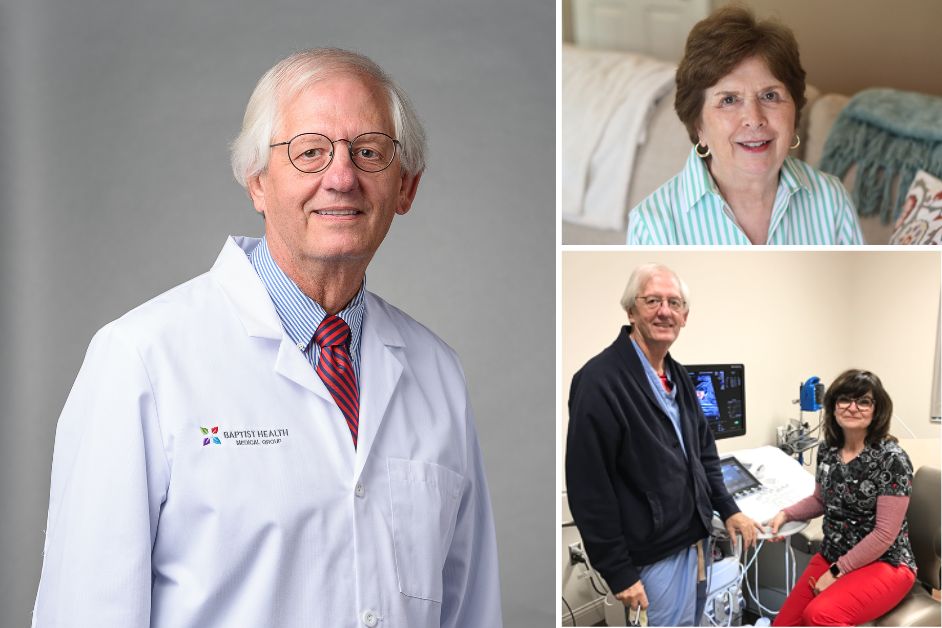
Summer brought certain rhythms to Baptist Health Lexington. Tomatoes ripened and corn reached its peak. At some point, a truck from Barton Farms appeared in the parking lot.
That was all the announcement employees needed.
“People would know, ‘Barton’s in the parking lot with the corn truck,’ and they would come out of the woodwork with bags asking, ‘Can we have corn?’” Amelia Allen recalled. “He always gave it away. He never sold it to us.”
Behind the truck was Dr. John Barton, a renowned maternal fetal medicine physician who was as enthusiastic about sharing the farm’s harvest as he was devoted to caring for local mothers and babies.
Both passions grew from the same roots. John was raised in a large, close-knit Lexington farm family that taught him a deep sense of responsibility. He continued working on the family farm throughout medical school and returned on weekends after beginning his career.
“His work ethic was one of the strongest I’ve ever seen,” said his wife, Lisa Barton. “His dad instilled that in him.”
John never left that part of himself in the parking lot when he walked into the hospital. The farmer, physician, teacher and neighbor were inseparable, each shaping how he showed up for others.
Lisa understood the demands of his calling. The two met while she was a pediatric nurse and he was in medical school. Her work with seriously ill children gave her an intimate understanding of what was at stake for patients and families and why John felt so compelled to help.
Family also shaped his decision to enter obstetrics.
“When John was going through medical school, he got to do a rotation in England with his uncle,” Lisa said. “He respected Uncle Anthony a lot, so he decided to follow his path.”
John brought that calling home to Lexington. He joined Baptist Health Lexington in 1991, when the hospital did not yet have a maternal fetal medicine program for women facing high-risk or medically complex pregnancies.
He started by performing his own ultrasound scans. Then his path crossed with Amelia, a Baptist Health Lexington sonographer.
“I was the first sonographer he ever had,” Amelia said. “I always joke that’s my claim to fame: He asked me to work for him. Everybody else had to go through interviews.”
Amelia worked beside Dr. Barton for more than 30 years as the practice grew to include additional physicians and sonographers. Along the way, she witnessed what earned him the respect of patients, physicians, and colleagues. He became widely recognized for his expertise in preeclampsia and possessed an ability to identify complex conditions that others might not immediately see.
His medical knowledge made him an exceptional physician. Though it was way he shared it – with patience, humility and genuine interest in the person before him – that made people trust him.
“He talked with patients," Amelia shared. "He didn’t talk at them."
Dr. Barton listened to detailed family histories and refused to let patients leave without the information they needed. When a family faced a difficult pregnancy, he explained the options without pressuring them toward a particular choice.
“He made them feel important, but he never overlooked the fact that they were there for a reason,” Amelia said. “He was going to get to the bottom of it, and he wasn’t going to treat them like a number.”
Lisa understood that as the heart of his practice.
“He felt that medicine was an art,” she said. “And he practiced that way.”
Dr. Barton’s approach gave patients reassurance during days often defined by questions. Many returned frequently for monitoring, allowing him and Amelia to know them beyond a single appointment and walk with them as their pregnancy stories unfolded.
“When you see patients so often, with so many problems, and you don’t know whether they’re going to get a baby, you bond with them,” Amelia said. “I got to be part of so many miracles – truly, miracles.”
Research extended Dr. Barton’s reach. He wrote and spoke about advances in maternal fetal medicine and collaborated with specialists working to improve the treatment of hypertension and preeclampsia during pregnancy.
He was equally committed to developing the people around him. He made time to teach residents, nurses and sonographers, generously sharing the knowledge he had worked so hard to gain. He pushed them, but his expectations were based in care – for the caregivers he knew could become better, and for the patients who depended on them.
“He made the standards so high that you wanted to live up to him,” Amelia said.
Over more than 30 years, the trust between Dr. Barton and Amelia grew into a lasting friendship. He encouraged her career, made sure she had opportunities to learn and came to know her family as she knew his.
When Amelia’s mother became ill, he visited her in the hospital. When she passed away, he attended her funeral.
“I lost a friend,” Amelia said, her voice breaking. “I think I will never stop missing him.”
His absence remains deeply felt, but so does his influence.
Women still stop Lisa to tell her how her husband cared for their babies or grandchildren. Amelia often hears physicians refer to the approaches he helped to establish. Colleagues continue striving toward the standard he set, while the program he built serves families he will never meet.
The Dr. John Barton Women and Children’s Fund carries that work into the future by supporting needs across maternal fetal medicine, Mother Baby, the NICU and the Child Development Center at Baptist Health Lexington. As technology and methods of care evolve, donors who share Dr. Barton’s commitment to progress help provide new resources for the families he spent his career serving.
“There are so many things you can offer families now that you couldn’t before, and it takes funding to do that,” Lisa said. “That would be something he would be very proud of.”
Still, summer returns.
Corn arrives from Barton Farms, now delivered by Dr. Barton’s son. On his birthday, former colleagues gather for another tradition inspired by the tomatoes he once brought to the office. They remember the knowledge he advanced and the relationships he tended with equal care.
Humble and homegrown, yet extraordinary in its reach, his legacy lives on in the families he helped and the team members he shaped. The people he cared for, and those who cared for him, will make sure of it.
“To this day, we still celebrate his birthday in the office,” Amelia said. “I told them, ‘I don’t care if nobody else wants bologna on his birthday, I will have a bologna-and-tomato sandwich. That’s our annual tradition, and we’re not stopping.’”
That was all the announcement employees needed.
“People would know, ‘Barton’s in the parking lot with the corn truck,’ and they would come out of the woodwork with bags asking, ‘Can we have corn?’” Amelia Allen recalled. “He always gave it away. He never sold it to us.”
Behind the truck was Dr. John Barton, a renowned maternal fetal medicine physician who was as enthusiastic about sharing the farm’s harvest as he was devoted to caring for local mothers and babies.
Both passions grew from the same roots. John was raised in a large, close-knit Lexington farm family that taught him a deep sense of responsibility. He continued working on the family farm throughout medical school and returned on weekends after beginning his career.
“His work ethic was one of the strongest I’ve ever seen,” said his wife, Lisa Barton. “His dad instilled that in him.”
John never left that part of himself in the parking lot when he walked into the hospital. The farmer, physician, teacher and neighbor were inseparable, each shaping how he showed up for others.
Lisa understood the demands of his calling. The two met while she was a pediatric nurse and he was in medical school. Her work with seriously ill children gave her an intimate understanding of what was at stake for patients and families and why John felt so compelled to help.
Family also shaped his decision to enter obstetrics.
“When John was going through medical school, he got to do a rotation in England with his uncle,” Lisa said. “He respected Uncle Anthony a lot, so he decided to follow his path.”
John brought that calling home to Lexington. He joined Baptist Health Lexington in 1991, when the hospital did not yet have a maternal fetal medicine program for women facing high-risk or medically complex pregnancies.
He started by performing his own ultrasound scans. Then his path crossed with Amelia, a Baptist Health Lexington sonographer.
“I was the first sonographer he ever had,” Amelia said. “I always joke that’s my claim to fame: He asked me to work for him. Everybody else had to go through interviews.”
Amelia worked beside Dr. Barton for more than 30 years as the practice grew to include additional physicians and sonographers. Along the way, she witnessed what earned him the respect of patients, physicians, and colleagues. He became widely recognized for his expertise in preeclampsia and possessed an ability to identify complex conditions that others might not immediately see.
His medical knowledge made him an exceptional physician. Though it was way he shared it – with patience, humility and genuine interest in the person before him – that made people trust him.
“He talked with patients," Amelia shared. "He didn’t talk at them."
Dr. Barton listened to detailed family histories and refused to let patients leave without the information they needed. When a family faced a difficult pregnancy, he explained the options without pressuring them toward a particular choice.
“He made them feel important, but he never overlooked the fact that they were there for a reason,” Amelia said. “He was going to get to the bottom of it, and he wasn’t going to treat them like a number.”
Lisa understood that as the heart of his practice.
“He felt that medicine was an art,” she said. “And he practiced that way.”
Dr. Barton’s approach gave patients reassurance during days often defined by questions. Many returned frequently for monitoring, allowing him and Amelia to know them beyond a single appointment and walk with them as their pregnancy stories unfolded.
“When you see patients so often, with so many problems, and you don’t know whether they’re going to get a baby, you bond with them,” Amelia said. “I got to be part of so many miracles – truly, miracles.”
Research extended Dr. Barton’s reach. He wrote and spoke about advances in maternal fetal medicine and collaborated with specialists working to improve the treatment of hypertension and preeclampsia during pregnancy.
He was equally committed to developing the people around him. He made time to teach residents, nurses and sonographers, generously sharing the knowledge he had worked so hard to gain. He pushed them, but his expectations were based in care – for the caregivers he knew could become better, and for the patients who depended on them.
“He made the standards so high that you wanted to live up to him,” Amelia said.
Over more than 30 years, the trust between Dr. Barton and Amelia grew into a lasting friendship. He encouraged her career, made sure she had opportunities to learn and came to know her family as she knew his.
When Amelia’s mother became ill, he visited her in the hospital. When she passed away, he attended her funeral.
“I lost a friend,” Amelia said, her voice breaking. “I think I will never stop missing him.”
His absence remains deeply felt, but so does his influence.
Women still stop Lisa to tell her how her husband cared for their babies or grandchildren. Amelia often hears physicians refer to the approaches he helped to establish. Colleagues continue striving toward the standard he set, while the program he built serves families he will never meet.
The Dr. John Barton Women and Children’s Fund carries that work into the future by supporting needs across maternal fetal medicine, Mother Baby, the NICU and the Child Development Center at Baptist Health Lexington. As technology and methods of care evolve, donors who share Dr. Barton’s commitment to progress help provide new resources for the families he spent his career serving.
“There are so many things you can offer families now that you couldn’t before, and it takes funding to do that,” Lisa said. “That would be something he would be very proud of.”
Still, summer returns.
Corn arrives from Barton Farms, now delivered by Dr. Barton’s son. On his birthday, former colleagues gather for another tradition inspired by the tomatoes he once brought to the office. They remember the knowledge he advanced and the relationships he tended with equal care.
Humble and homegrown, yet extraordinary in its reach, his legacy lives on in the families he helped and the team members he shaped. The people he cared for, and those who cared for him, will make sure of it.
“To this day, we still celebrate his birthday in the office,” Amelia said. “I told them, ‘I don’t care if nobody else wants bologna on his birthday, I will have a bologna-and-tomato sandwich. That’s our annual tradition, and we’re not stopping.’”
“There are so many things you can offer families now that you couldn’t before, and it takes funding to do that. That would be something he would be very proud of.”